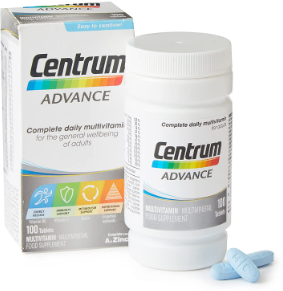
Multivitamins are widely used, but not everyone needs them. This in-depth article explores who benefits, what to avoid, and how to choose safe, effective supplements without wasting money.
The global multivitamin market is worth billions, driven by people wanting to boost energy, immunity, and general wellness. But multivitamins are not magic solutions—and taking the wrong type can cause harm.
Do You Actually Need a Multivitamin?
Many healthy adults with balanced diets do not require supplements. But certain groups benefit significantly.
1. Pregnant Women
They require folic acid, iron, and other nutrients to prevent birth defects and support fetal growth.
2. Elderly Adults
Age reduces nutrient absorption and appetite. Supplements fill gaps.
3. People With Restricted Diets
Vegetarians, vegans, and people with limited food access may lack key nutrients.
4. Patients With Chronic Conditions
Diseases like Crohn’s disease, celiac disease, and chronic diarrhea reduce absorption.
5. Individuals With Diagnosed Deficiencies
Iron deficiency, vitamin D deficiency, and B12 deficiency often require supplementation.
Dangers of Incorrect Supplement Use
Overdosing on fat-soluble vitamins (A, D, E, K)
Unsafe combinations with other medications
Worsening pre-existing conditions
Wasting money on unnecessary products
Supplements must be taken with proper guidance—especially when combined with chronic medications.
How to Choose a Quality Multivitamin
Check doses are within recommended daily limits
Avoid megadose formulas unless prescribed
Choose brands with quality testing
Pick age- and gender-specific formulas (e.g., “men’s,” “pregnancy,” “50+”)
Ensure the ingredients match your needs—not marketing hype
Lifestyle Still Comes First
Multivitamins supplement; they do not replace:
Balanced meals
Good sleep
Exercise
Adequate hydration
Stress control
Bottom Line
Multivitamins can be powerful tools—but only for the right person. Used correctly, they improve long-term health. Used blindly, they become a waste of money or even a health risk.
Do You Actually Need a Multivitamin?
Many healthy adults with balanced diets do not require supplements. But certain groups benefit significantly.
1. Pregnant Women
They require folic acid, iron, and other nutrients to prevent birth defects and support fetal growth.
2. Elderly Adults
Age reduces nutrient absorption and appetite. Supplements fill gaps.
3. People With Restricted Diets
Vegetarians, vegans, and people with limited food access may lack key nutrients.
4. Patients With Chronic Conditions
Diseases like Crohn’s disease, celiac disease, and chronic diarrhea reduce absorption.
5. Individuals With Diagnosed Deficiencies
Iron deficiency, vitamin D deficiency, and B12 deficiency often require supplementation.
Dangers of Incorrect Supplement Use
Overdosing on fat-soluble vitamins (A, D, E, K)
Unsafe combinations with other medications
Worsening pre-existing conditions
Wasting money on unnecessary products
Supplements must be taken with proper guidance—especially when combined with chronic medications.
How to Choose a Quality Multivitamin
Check doses are within recommended daily limits
Avoid megadose formulas unless prescribed
Choose brands with quality testing
Pick age- and gender-specific formulas (e.g., “men’s,” “pregnancy,” “50+”)
Ensure the ingredients match your needs—not marketing hype
Lifestyle Still Comes First
Multivitamins supplement; they do not replace:
Balanced meals
Good sleep
Exercise
Adequate hydration
Stress control
Bottom Line
Multivitamins can be powerful tools—but only for the right person. Used correctly, they improve long-term health. Used blindly, they become a waste of money or even a health risk.