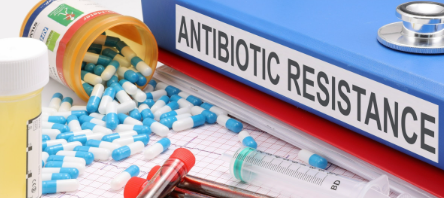
Antibiotic resistance is rising fast, making common infections harder to treat. This article explains what it is, why it happens, and how everyone can help slow it down.
Antibiotics have saved millions of lives since the 1940s, but their power is slowly being undermined. Antibiotic resistance happens when bacteria adapt and become harder to kill. This isn’t the medicine getting weaker—it’s the bacteria getting smarter.
Overusing antibiotics, taking them for viral infections like flu, skipping doses, and stopping early all accelerate resistance. Globally, resistant infections are now a major public-health threat.
How you can protect yourself and the community:
Never take antibiotics without a proper prescription.
Complete every course exactly as directed.
Don’t pressure healthcare providers for antibiotics when they’re unnecessary.
Practice good hygiene to reduce the spread of infection.
If antibiotics stop working, simple infections become dangerous again. Responsible use protects everyone—including future generations.
Overusing antibiotics, taking them for viral infections like flu, skipping doses, and stopping early all accelerate resistance. Globally, resistant infections are now a major public-health threat.
How you can protect yourself and the community:
Never take antibiotics without a proper prescription.
Complete every course exactly as directed.
Don’t pressure healthcare providers for antibiotics when they’re unnecessary.
Practice good hygiene to reduce the spread of infection.
If antibiotics stop working, simple infections become dangerous again. Responsible use protects everyone—including future generations.