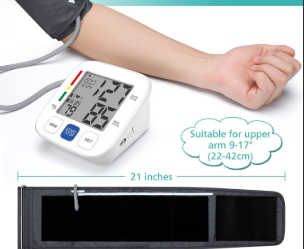
High blood pressure is a silent killer. Home monitoring helps patients track their numbers, improve treatment adherence, and detect dangerous trends early. This article explains how home devices work and how to use them correctly.
Hypertension often develops quietly, causing damage long before symptoms appear. That’s why it is known as the “silent killer.” Millions of people don’t realize they have high blood pressure until they experience complications like stroke or kidney disease.
Home monitoring is transforming the way patients manage hypertension.
Why Home Monitoring Is So Important
1. More Accurate Insight
Readings taken at home reflect your normal daily environment, unlike at clinics where stress might elevate readings.
2. Early Detection of Worsening Blood Pressure
Home devices help people catch upward trends long before symptoms appear.
3. Better Treatment Control
Doctors can adjust medications based on real data, not occasional clinic readings.
4. Improved Patient Involvement
People who monitor regularly are more likely to take medication consistently and make lifestyle improvements.
How to Use a Home BP Machine Correctly
Many people get incorrect readings simply because they don’t follow proper technique.
Before Measuring
Sit calmly for at least 5 minutes
Empty your bladder
Avoid caffeine, alcohol, or smoking 30 minutes prior
Don’t talk during the measurement
During Measurement
Keep feet flat on the floor
Rest your arm on a flat surface at heart level
Use an upper-arm cuff—it’s more accurate
Take two readings one minute apart
Recording Results
Keep a simple notebook or use an app. Note:
Date
Time
Reading
Any symptoms or medication changes
What the Numbers Mean
Normal: <120/80
Elevated: 120–129 / <80
Stage 1: 140–159 / 90–100
Stage 2: ≥160/1000
Persistent high readings require medical review.
The Bottom Line
Home blood pressure monitors empower patients. They reduce unnecessary clinic visits, catch problems early, and increase confidence in managing chronic conditions.
Home monitoring is transforming the way patients manage hypertension.
Why Home Monitoring Is So Important
1. More Accurate Insight
Readings taken at home reflect your normal daily environment, unlike at clinics where stress might elevate readings.
2. Early Detection of Worsening Blood Pressure
Home devices help people catch upward trends long before symptoms appear.
3. Better Treatment Control
Doctors can adjust medications based on real data, not occasional clinic readings.
4. Improved Patient Involvement
People who monitor regularly are more likely to take medication consistently and make lifestyle improvements.
How to Use a Home BP Machine Correctly
Many people get incorrect readings simply because they don’t follow proper technique.
Before Measuring
Sit calmly for at least 5 minutes
Empty your bladder
Avoid caffeine, alcohol, or smoking 30 minutes prior
Don’t talk during the measurement
During Measurement
Keep feet flat on the floor
Rest your arm on a flat surface at heart level
Use an upper-arm cuff—it’s more accurate
Take two readings one minute apart
Recording Results
Keep a simple notebook or use an app. Note:
Date
Time
Reading
Any symptoms or medication changes
What the Numbers Mean
Normal: <120/80
Elevated: 120–129 / <80
Stage 1: 140–159 / 90–100
Stage 2: ≥160/1000
Persistent high readings require medical review.
The Bottom Line
Home blood pressure monitors empower patients. They reduce unnecessary clinic visits, catch problems early, and increase confidence in managing chronic conditions.